

I was a 22-year-old with “VOLUNTEER” plastered across my t-shirt. Everyone else at the conference was a millionaire.
“Which session are you attending?” I asked as I scanned the millionaires’ badges. Some talks were about restructuring or interior design or community events. But now, a few attendees said:
“This session is about the business of YouTube, Dude Perfect, and sports media.” I instantly got jealous.
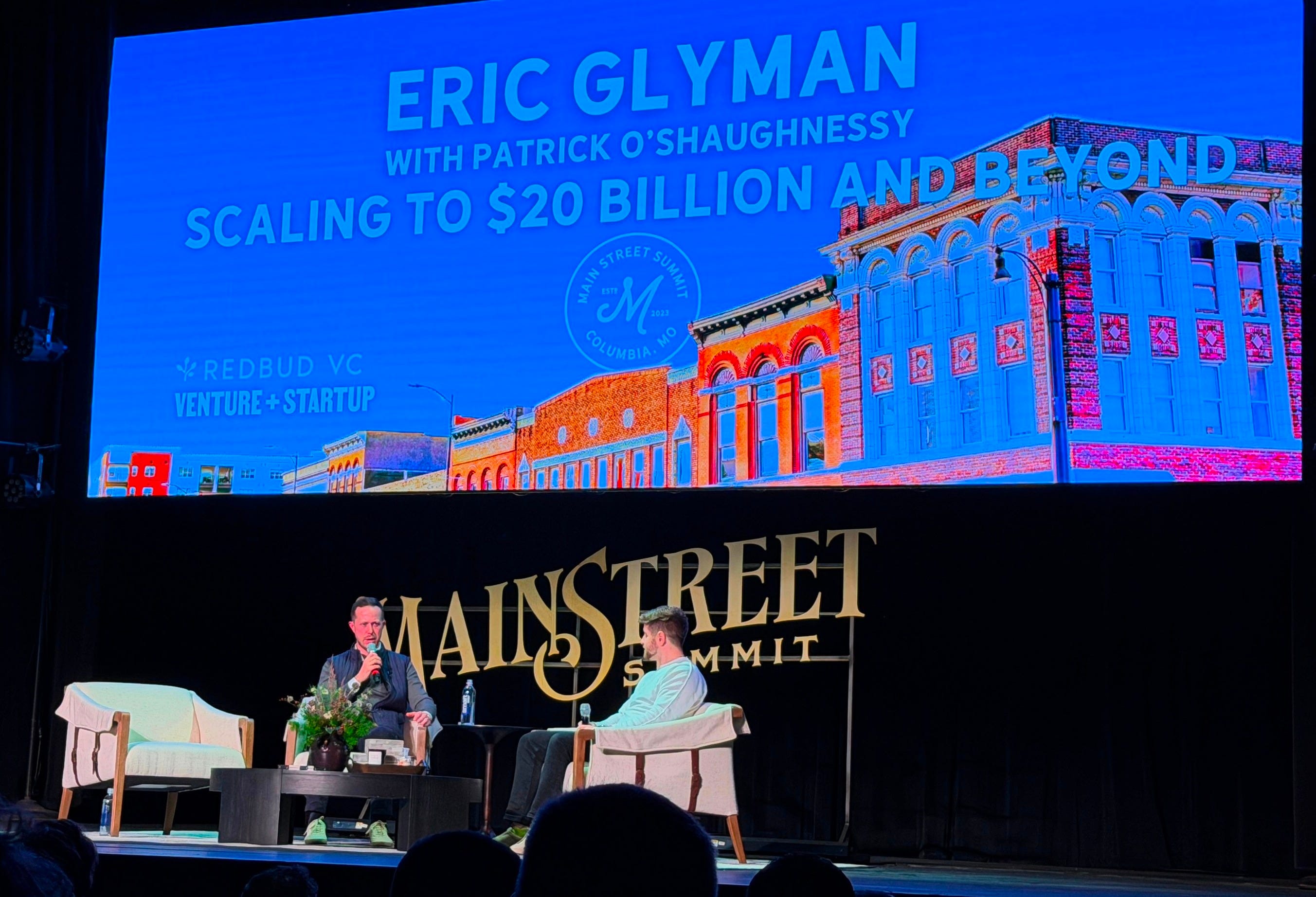
For 18 months, I had been fascinated by Highmount Capital’s $100,000,000 investment into Dude Perfect. I wrote a research project in my college’s private equity (PE) class questioning how investors model the value of YouTube channels in the same way they model “traditional” businesses, like restaurants, SaaS, trades, or real estate. Media has so many moving parts. Is the value in viewers, advertisers, products, or more?
Now, that investor Jason was in the next room! I left my volunteer shift early and grabbed the last seat.
Amid my excitement, I had actually been worried about Dude Perfect’s future for the past three years. I doubted I would invest $100,000,000 into a YouTube channel. I had seen a flaw that I thought threatened where the industry was headed for large creators.
In the session, I raised my hand to share with Jason this existential threat.
His answer changed my view on what matters in the creator economy.
My Previous View
Three years ago, I predicted that the creator economy was spreading out1. Since barriers to produce and distribute content are decreasing, my thesis was:
More creators.
Wider selection of content.
Viewers gather in niche communities around creators who suit their preferences/interests.
Future — AI infinitely tailors content to viewer preferences/interests.
Mass-entertainment creators (MrBeast, Ryan Trahan, Dude Perfect) lose popularity because by appealing to everyone, they appeal to no one.
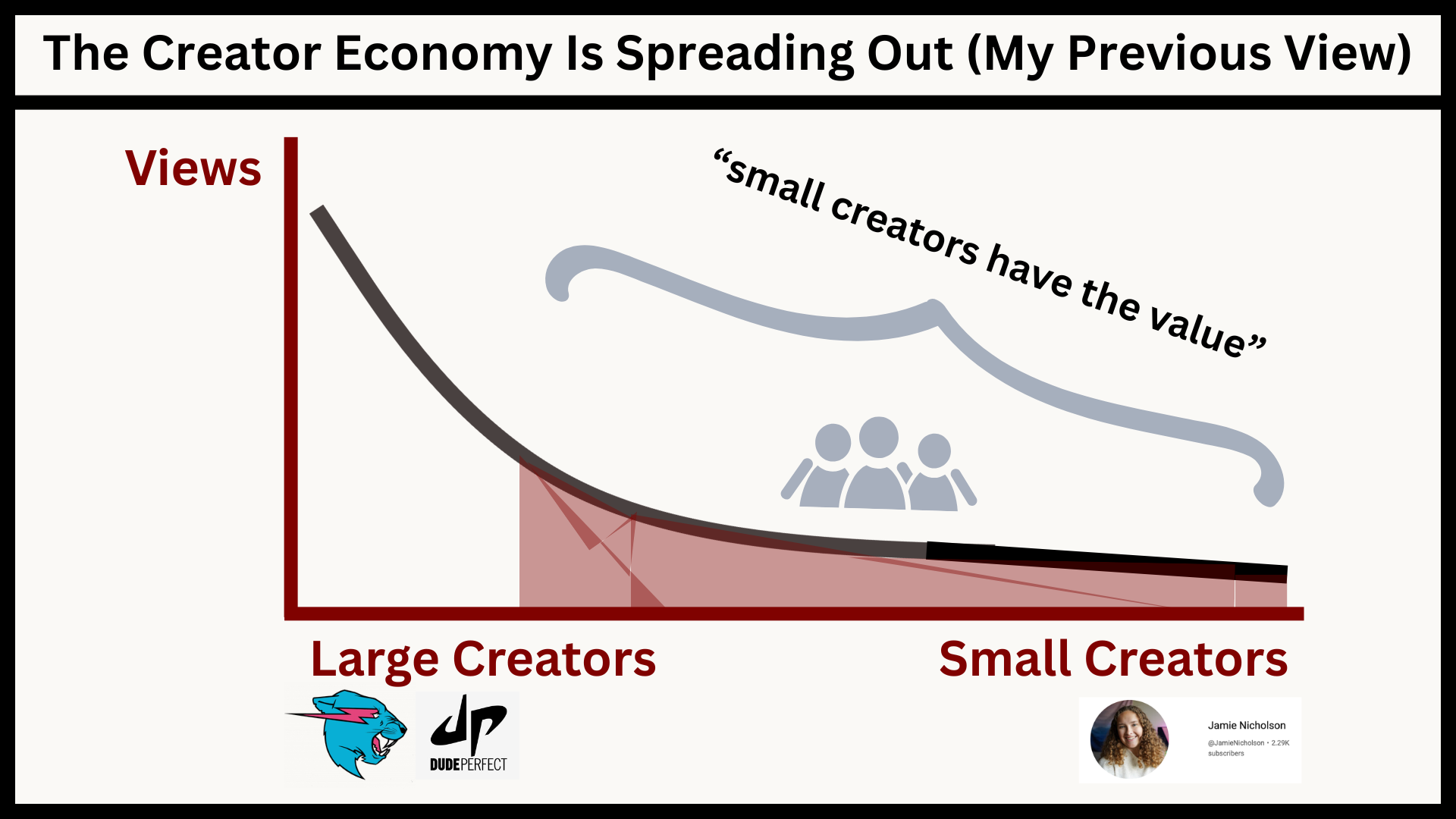
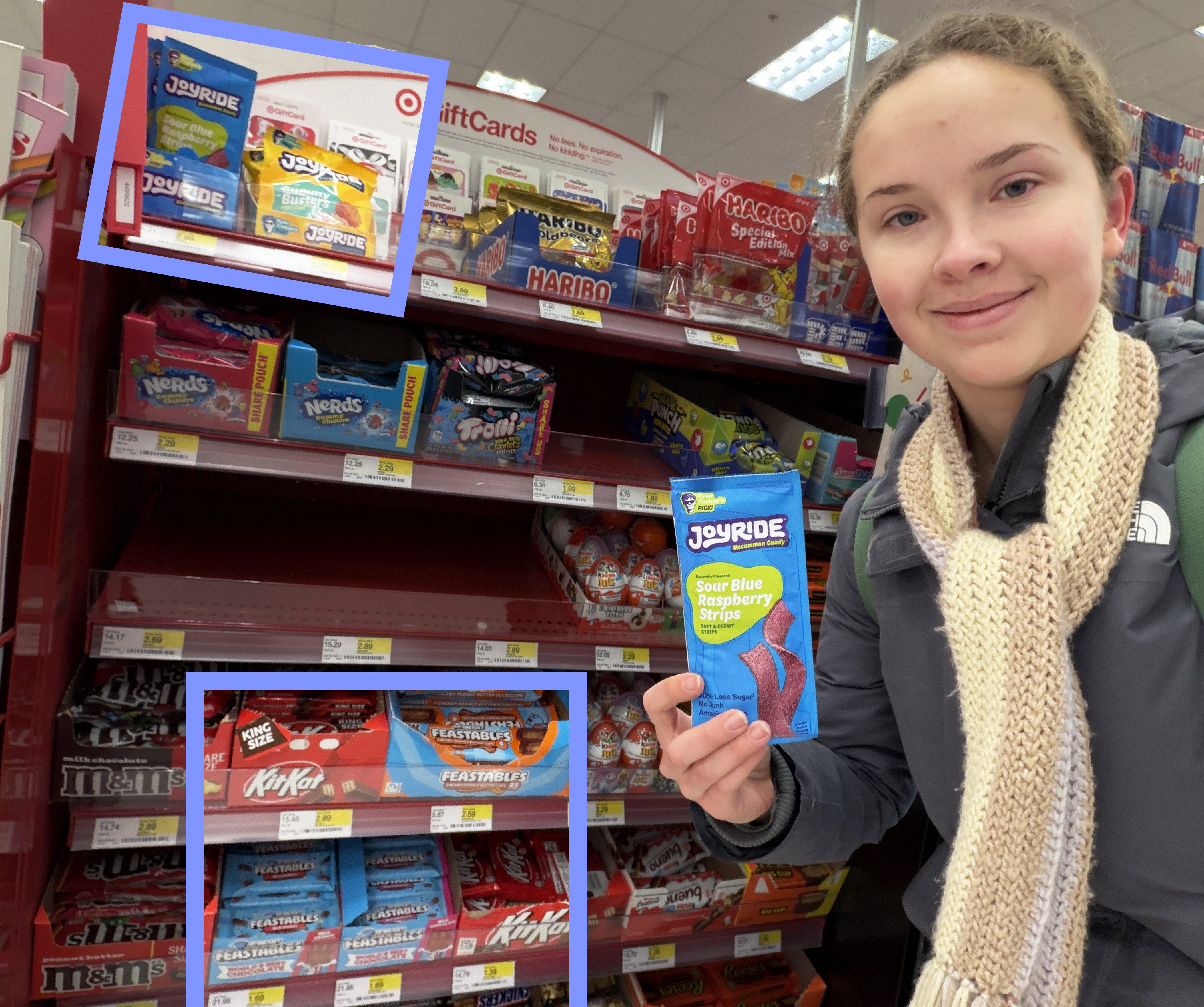
“Mega-creators” monetize with in-person retail or experiences. MrBeast’s Feastables hit $250M revenue in 2024. Ryan Trahan’s Joyride is the #1 candy sold in Target. Dude Perfect is opening a $100M theme park in Texas. If creators stop appealing to the masses, they won’t gather viewers in-person, like at Target or a theme park.
Q&A
Back at the conference, I raised my hand to warn Jason:
Small creators and AI create infinite niches and communities. Do you view this as a threat to mass-entertainment creators like Beast, Trahan, Dude Perfect, who monetize off of retail and experiences?
Jason replied:2
No. Dude Perfect is happy if other sports creators grow. The pie gets bigger for everyone. Even if our ‘slice’ gets smaller, the creator economy is still pulling people away from TV and other mediums. We want to collaborate.
My Hypocritical Buying Behavior
When the conference ended, I drove home from Missouri to Chicago. Then, I packed my life into boxes as I moved out of my childhood bedroom and into my first apartment in Chicago to start my first full-time job. I realized:
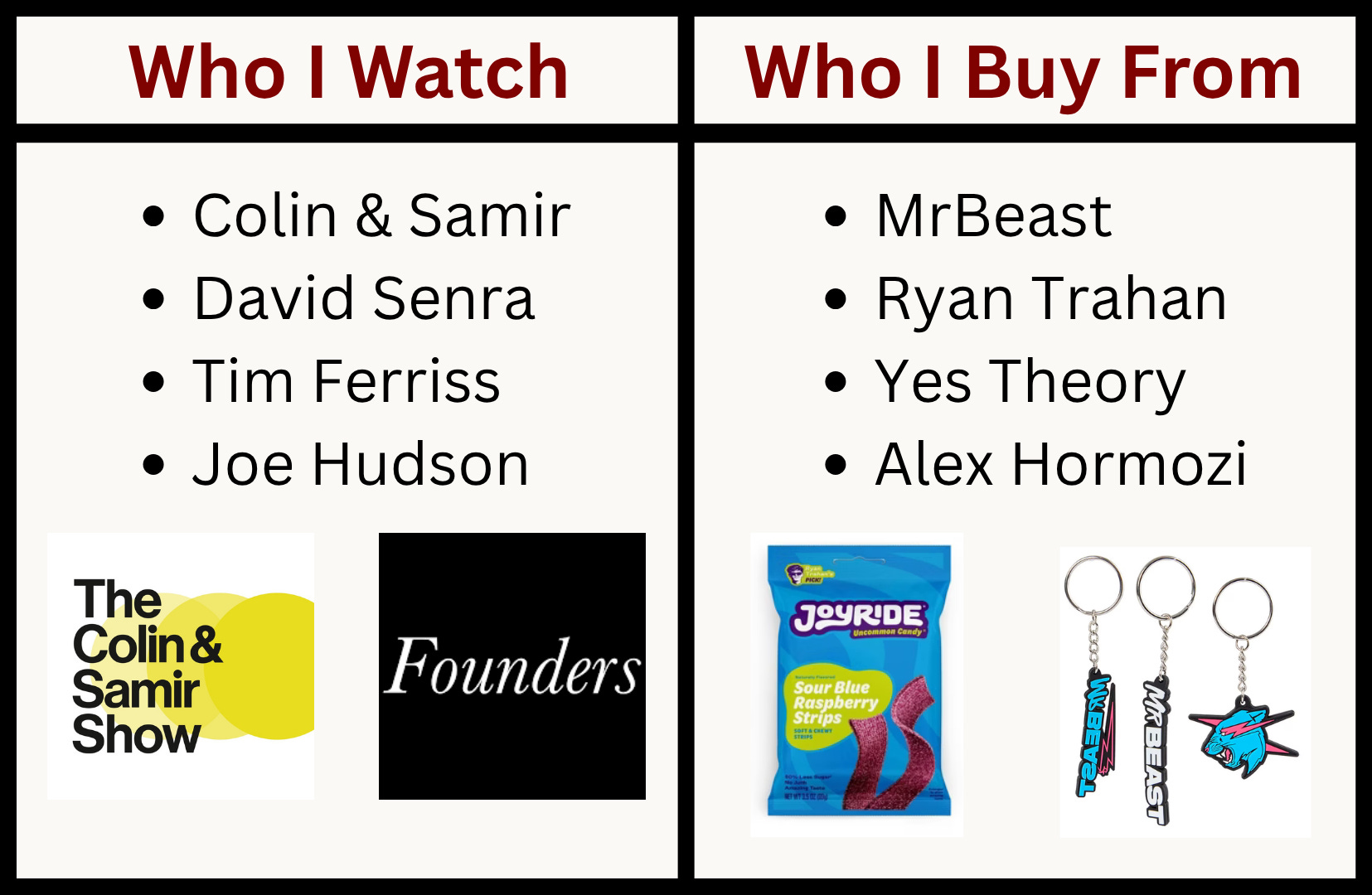
Into my boxes, I packed:
$100 magazines from OFFLINE
$80 merch from Ryan Trahan
$75 hoodie from Yes Theory
$60 merch/Feastables from MrBeast
$60 books from Alex Hormozi
While I drove to Chicago, I listened to:
When I saw my own buying behavior, I realized that my previous view was hypocritical: The creators I give money to are not the creators I watch the most. The creators I watch the most, I’ve never paid.
I buy from MrBeast, Yes Theory, and Ryan Trahan, but I only watch a few of their videos per year. Their brands take up space in my mind when I don’t watch them. They inspire me. They are cultural.
Advertising isn’t the main product anymore, so watch time isn’t the metric. The value in the creator economy is brand (mind-share).
Case Studies
When I listened to my favorite creator podcasts, I was encouraged when some business leaders backed me up:
“[Followers] is the most important metric … And it is actually because it matters so little for distribution … I follow someone because I like their content so much, I don’t want to risk not being able to find them again.”
> Michael Lim, The 505 Podcast
“As things become more online, we’re going to look for increasingly offline things to do. … Netflix is also throwing in-person experiences. We want things to do in-person, but the things we’re interested in, we heard about online. So the translation of how do you take digital IP and bring it into the physical world, I think is a huge trend.”
> Zack Honarvar, The 505 Podcast
Salish and Jordan Matter, for instance, gathered 80,000 fans for their skincare and merch pop-up in a mall in New Jersey.
I’m still questioning how exactly to capture value in the creator economy. Although niche creators own the majority of views, large creators can still create cultural moments. How can niche creators bring people together in real life, too, when their viewers may not be as geographically concentrated?
2 Strategies for Creator Branding
How can creators build brands? It’s all about intention and quality, rather than views and quantity. There are 2 strategies I’ve found:
Ruthless filtering
Scarce quality
1. Ruthless Filtering
“If you can’t explain your brand in one word, it’s already over.”
“When somebody says, ‘What type of videos do you make?’ you should say one thing. It shouldn’t be confusing for you to explain your thing.”
> Airrack, Jon Youshaei Podcast
Airrack’s one-word brand: mischief.
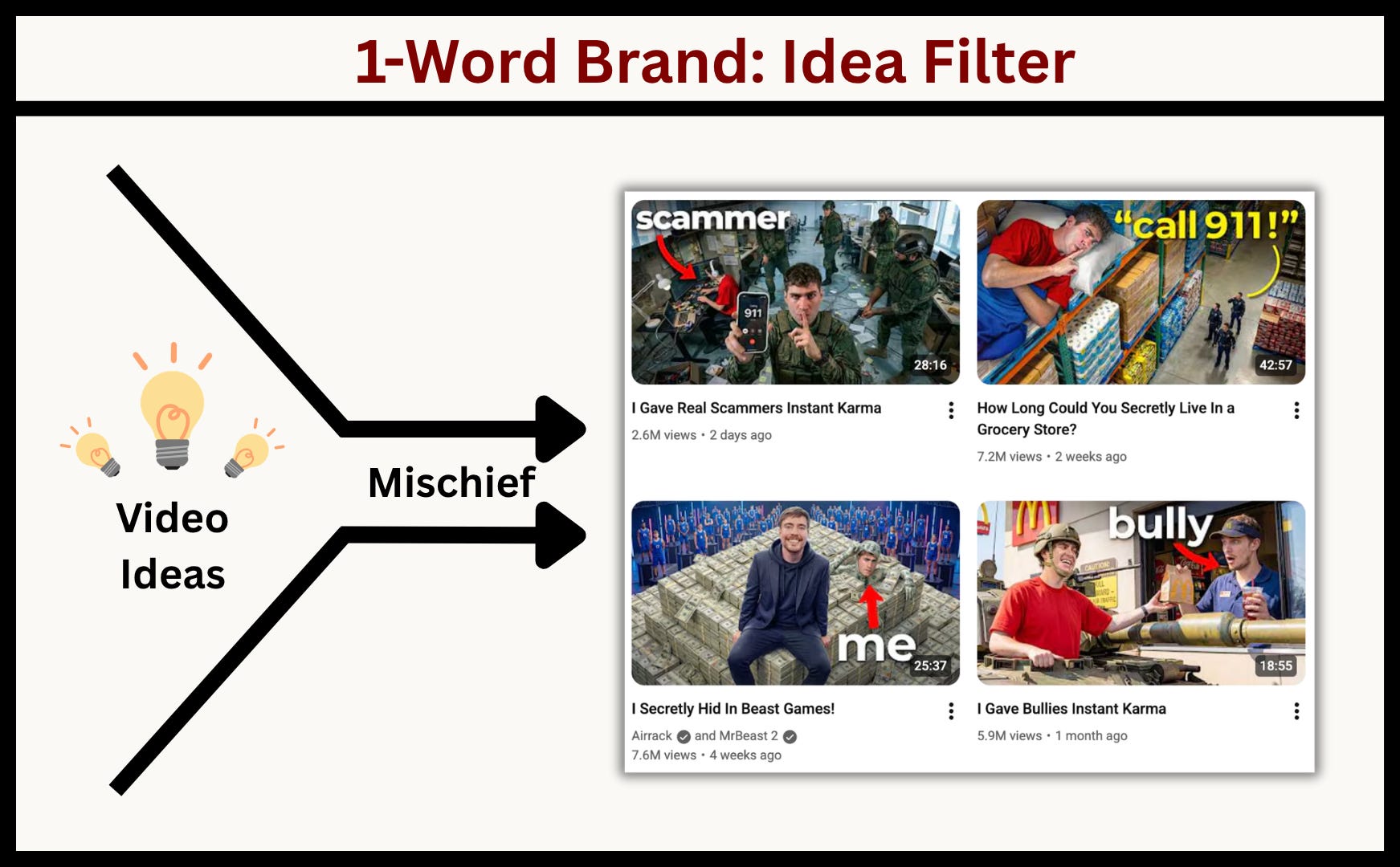
Airrack doesn’t just chase views. He’ll turn down videos that could do well, but confuse the brand or leave viewers with a mixed feeling. More than views, he wants distinction in the audience’s minds.
His YouTube revenue is entirely AdSense and brand deals (50/50). He’s a media company, focusing on YouTube and advertising as the product. But when he plans to launch a product, he has faith it will succeed.
2. Scarce Quality
Instead of consistency (like Airrack), creators can also chase rare quality, like anthpo. Quality still creates distinction in the mind of the viewer. Anthpo describes his strategy:
“I live on the side of the internet where people are posting every single day, so I need to take up another side of people’s brains. I’m not gonna post every day, but I’m gonna aura farm on you really hard. One day every three months, you’re gonna be like, ‘Holy shit.’ But I’m fighting the most uphill battle.”
> Anthpo, Powder Blue
Anthpo went viral in October 2024 when he hosted a Timothy Chalamet lookalike contest in NYC. There were 10,000 in-person attendees, four arrests, and multiple $500 fines. It made waves across the internet, even being picked up by mainstream news outlets like ABC, CNN, and Inside Edition — and attended by Chalamet himself.
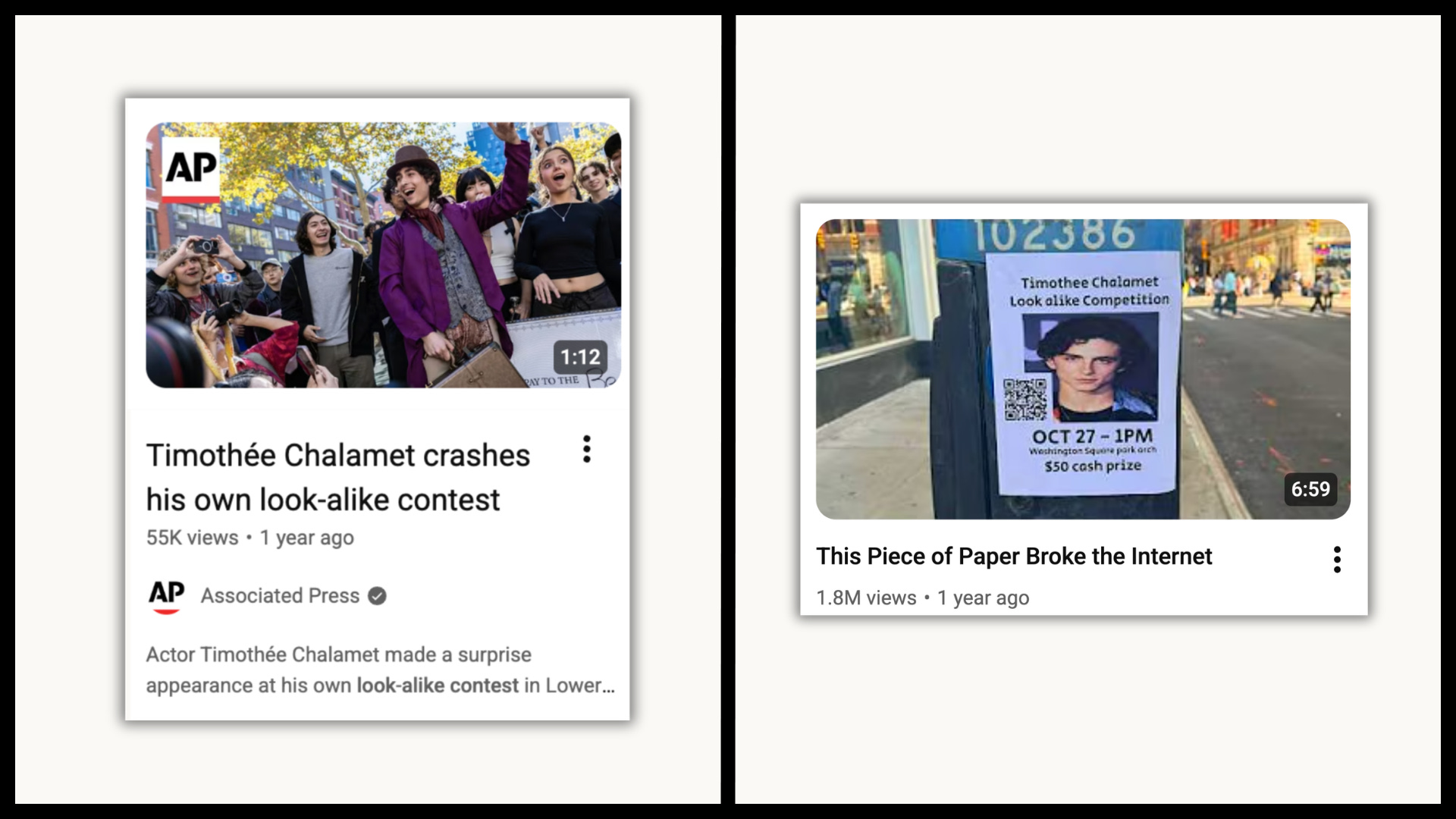
Although the video on Anthpo’s channel “only” received 1,800,000 views, it lives much larger in internet culture (not to mention millions more views from short-form clips and other outlets).
Conclusion
There’s a small overlap between creators I both watch and buy from ( OFFLINE, David Perell, Paul Millerd, Danny Miranda). But views and money are quite separate spheres in the creator economy. Creators can aim to be media companies (views/advertising), or build larger product businesses (brand/distinction).
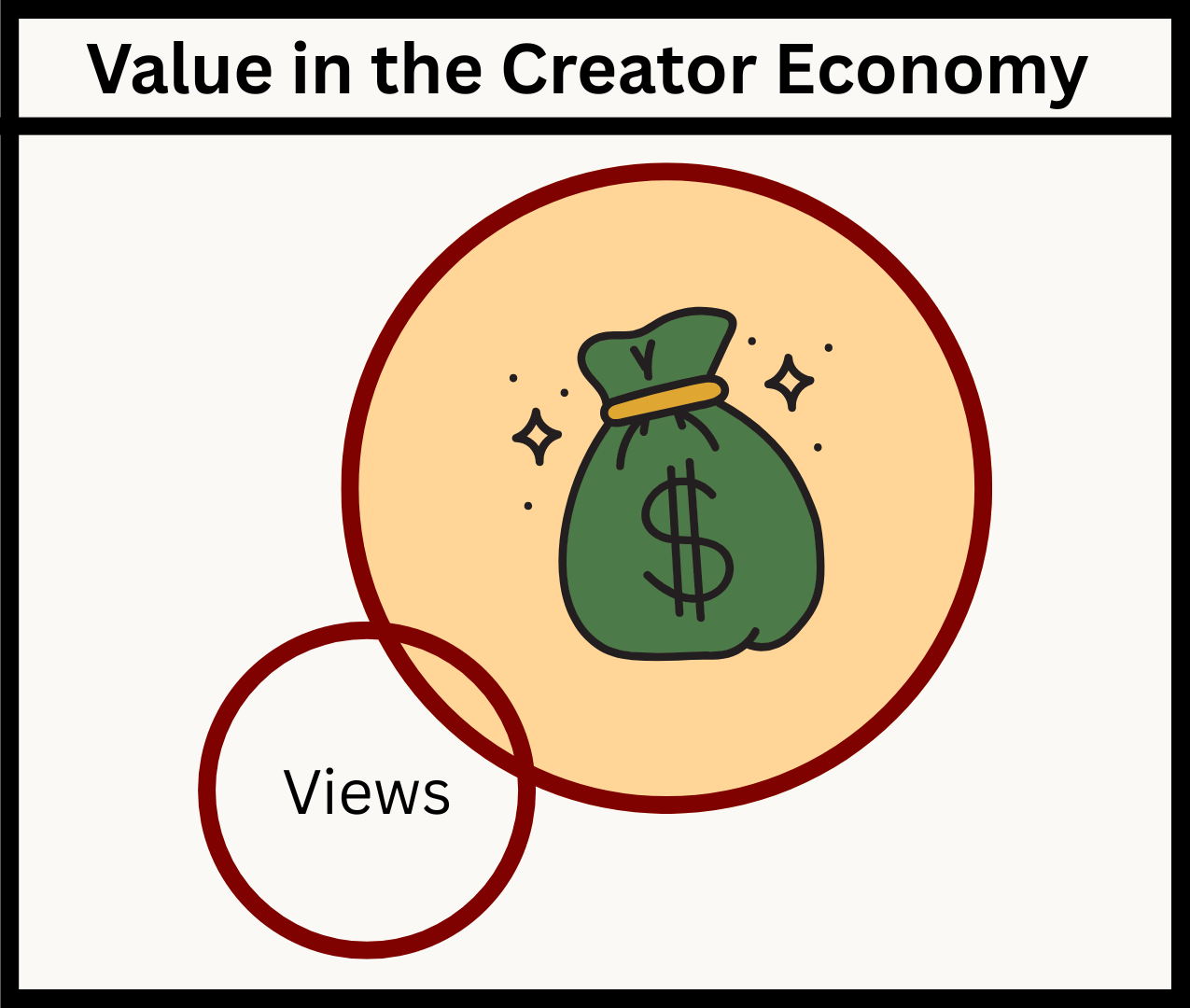
Writing this essay opened more questions than answers. I’m excited to continue to exploring the tensions between:
Large vs. niche creators
Views vs. brand
Advertising, products, and in-person experiences
All views are my own, not my employer’s.
I even filmed a video essay:
(It’s funny how AI was only mentioned in one sentence)
Paraphrased